
WebsiteHeader

Instructional Strategies

A stunning aerial view of the Grand Canyon showcasing its majestic cliffs, layers, and sunlight.

My Favorite Earth Science Activities for Middle School

Earth Science has always been one of my favorite subjects to teach because it’s all around us. Students may not realize it at first, but they’re surrounded by examples of weathering, erosion, plate tectonics, weather, and astronomy every single day. The challenge isn’t finding interesting topics—it’s helping students make meaningful

Read More

Science Notebook Activities for Easy Classroom Differentiation

Science notebooks can be so much more than a place for students to copy definitions. When they include meaningful science notebook activities, they become tools students can use to organize information, make connections, apply new concepts, and show what they understand. One reason I love using interactive science notebook activities

Read More

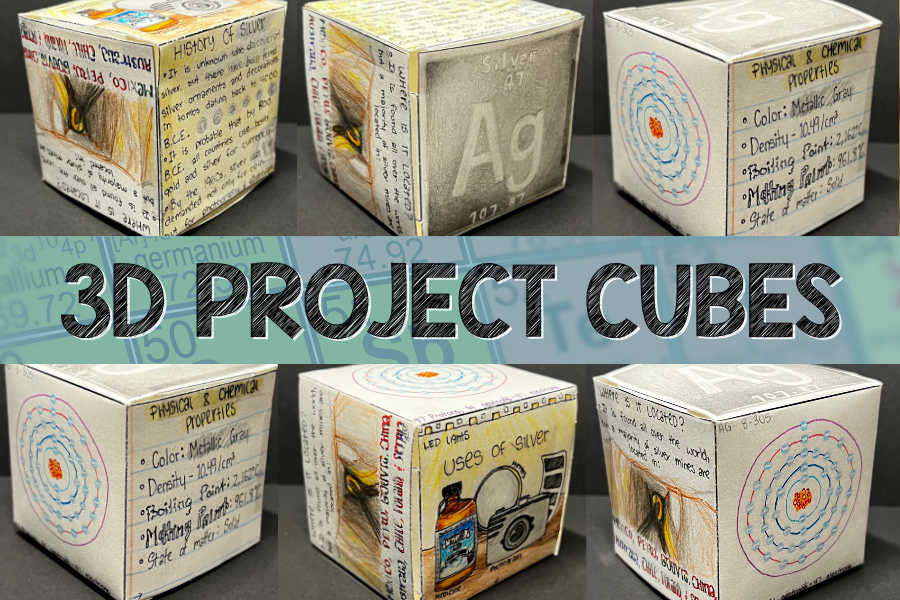
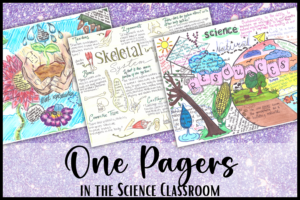
Why I Started Using One-Pagers Instead of Traditional Projects

For years, I assigned many of the same projects most science teachers have used at one point or another. Students created posters, built models, or copied information from websites into slide presentations. While some projects turned out beautifully, I often found myself wondering how much actual learning had taken place.

Read More

How I Teach Bell Ringers Without Wasting Instructional Time

There was a time when the first five minutes of every class felt completely out of my control. Students wandered into the room talking about lunch, last night’s basketball game, or whatever drama had unfolded in the hallway. Some immediately sat down and waited for directions. Others sharpened pencils, searched

Read More

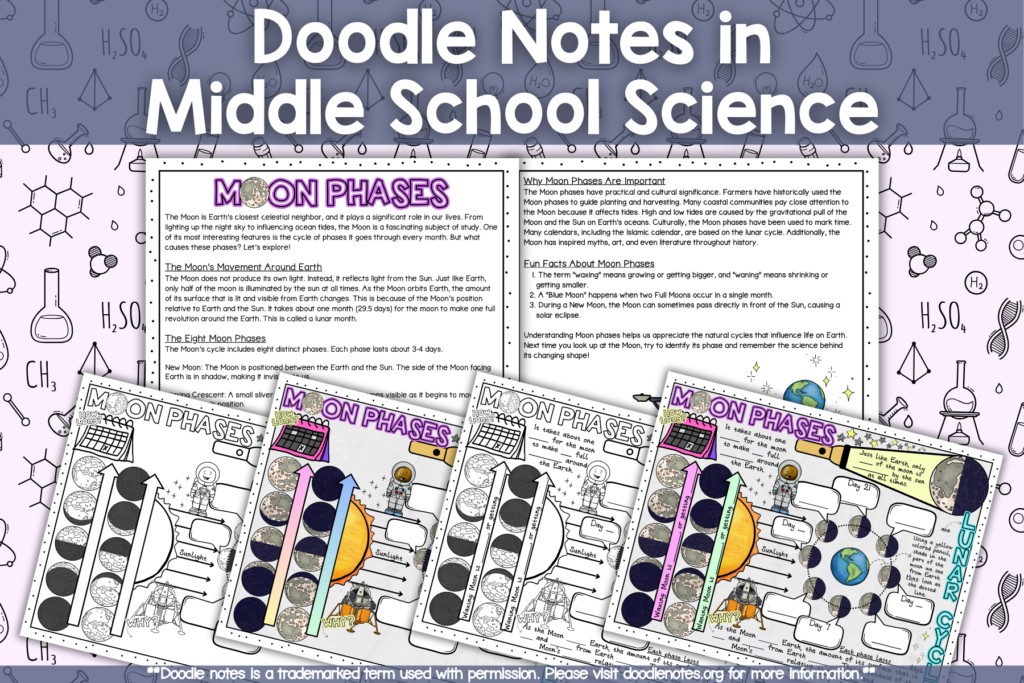
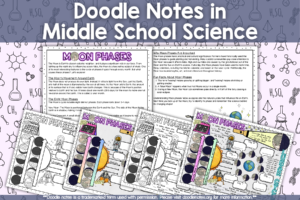
Why Doodle Notes Support More Than Just Struggling Students

Doodle notes tend to get categorized as a “support strategy.”And by support strategy, people usually mean for struggling students only. But that assumption misses the point entirely. Doodle notes don’t exist to lower expectations. They exist to make thinking visible—and that benefits far more than one group of learners. Used

Read More

Small Accommodations That Make a Big Difference in Middle School Science

When people hear the word accommodations, they often picture major lesson changes, separate materials, or completely different expectations. In reality, some of the most effective accommodations in science are small, quiet, and built right into everyday instruction. They don’t change what students learn. They change how accessible the learning is.

Read More

What Middle Schoolers with Learning Disabilities Need in Science Class

Teaching science to middle schoolers with learning disabilities isn’t about lowering expectations or simplifying content until it loses meaning. It’s about designing instruction that actually lets students access the thinking. And no—what they need isn’t a completely separate curriculum or five different lessons running at once. What they need is

Read More

How I Differentiate Science Without Creating 5 Different Lessons

Differentiation is one of those words that sounds reasonable in theory and completely unhinged in practice. Differentiate for reading levels.Differentiate for learning styles.Differentiate for IEPs, 504s, ELLs, early finishers, and students who are still figuring out which notebook is theirs. Somehow, this gets translated into: “Just make five versions of

Read More