
WebsiteHeader

Differentiation

Science Notebook Activities for Easy Classroom Differentiation

Science notebooks can be so much more than a place for students to copy definitions. When they include meaningful science notebook activities, they become tools students can use to organize information, make connections, apply new concepts, and show what they understand. One reason I love using interactive science notebook activities

Read More

Anchor Charts That Students Actually Read

Walk into almost any classroom, and you’ll probably see walls covered with colorful posters. Some are beautiful. Some are informative. But if we’re being honest, many of them eventually become part of the wallpaper. Students stop noticing them after the first few weeks of school. That realization completely changed the

Read More

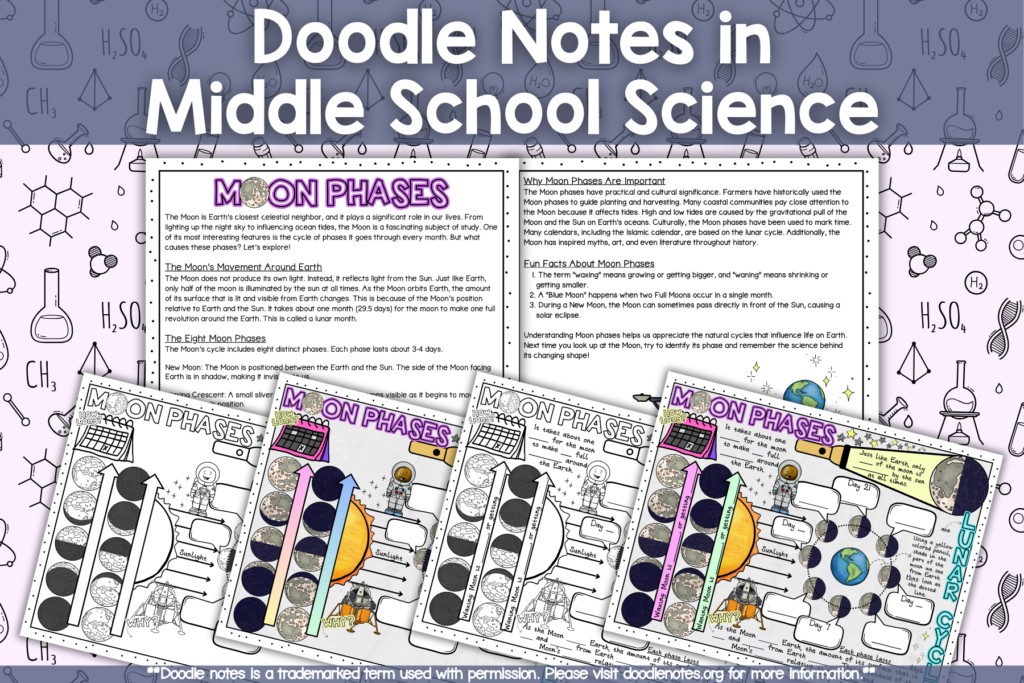
Why Doodle Notes Support More Than Just Struggling Students

Doodle notes tend to get categorized as a “support strategy.”And by support strategy, people usually mean for struggling students only. But that assumption misses the point entirely. Doodle notes don’t exist to lower expectations. They exist to make thinking visible—and that benefits far more than one group of learners. Used

Read More

Small Accommodations That Make a Big Difference in Middle School Science

When people hear the word accommodations, they often picture major lesson changes, separate materials, or completely different expectations. In reality, some of the most effective accommodations in science are small, quiet, and built right into everyday instruction. They don’t change what students learn. They change how accessible the learning is.

Read More

What Middle Schoolers with Learning Disabilities Need in Science Class

Teaching science to middle schoolers with learning disabilities isn’t about lowering expectations or simplifying content until it loses meaning. It’s about designing instruction that actually lets students access the thinking. And no—what they need isn’t a completely separate curriculum or five different lessons running at once. What they need is

Read More

How I Differentiate Science Without Creating 5 Different Lessons

Differentiation is one of those words that sounds reasonable in theory and completely unhinged in practice. Differentiate for reading levels.Differentiate for learning styles.Differentiate for IEPs, 504s, ELLs, early finishers, and students who are still figuring out which notebook is theirs. Somehow, this gets translated into: “Just make five versions of

Read More

My Go-To Lesson Structure for Any Science Topic

After years of teaching science, I’ve learned this the hard way: it’s not the topic that makes a lesson work—it’s the structure. When lessons fall apart, it’s rarely because the content is bad. It’s because the flow is unclear, transitions eat up time, or students don’t know what they’re supposed

Read More

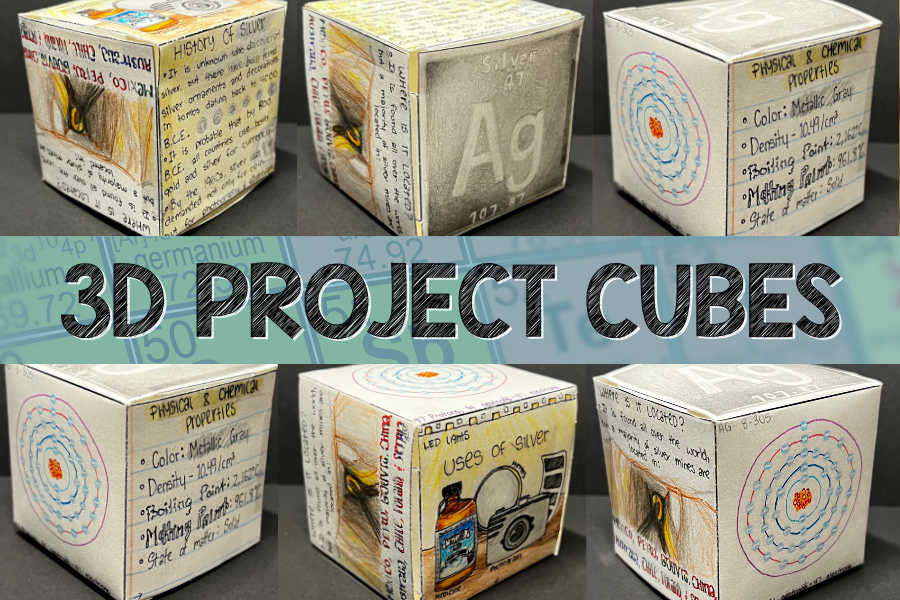
The Power of Visual Learning in Science Class

Science is visual by nature. Models, diagrams, graphs, processes, systems—so much of what students are expected to understand can’t be grasped through text alone. And yet, many science lessons still rely heavily on reading, listening, and copying notes. When students struggle, it’s often not because the content is too hard.

Read More