
HeaderImage

Featured

The Science Teacher Burnout Cycle—and How to Break It

Science teacher burnout doesn’t usually happen all at once. It builds slowly—often in predictable stages—until teaching starts to feel exhausting instead of energizing. Many science teachers don’t burn out because they don’t care. They burn out because they care deeply, take on too much, and try to do everything at full capacity all the time. Understanding the burnout cycle is the first step toward breaking it. The Science Teacher Burnout Cycle Burnout in middle school

Read More

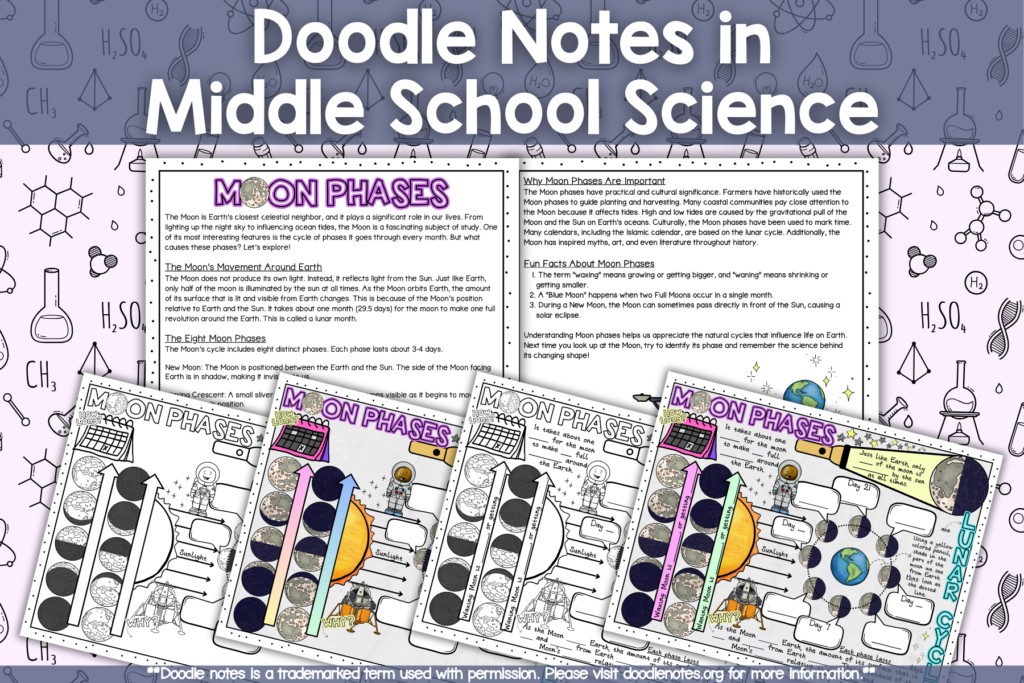
Why Doodle Notes Support More Than Just Struggling Students

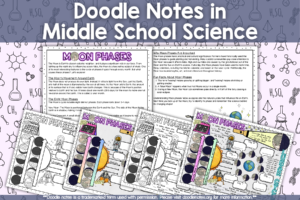
Doodle notes tend to get categorized as a “support strategy.”And by support strategy, people usually mean for struggling students only. But that assumption misses the point entirely. Doodle notes don’t exist to lower expectations. They exist to make thinking visible—and that benefits far more than one group of learners. Used well, doodle notes support focus, processing, and understanding for all students in science class. Yes, even the ones who already “get it.” Why Doodle Notes

Read More

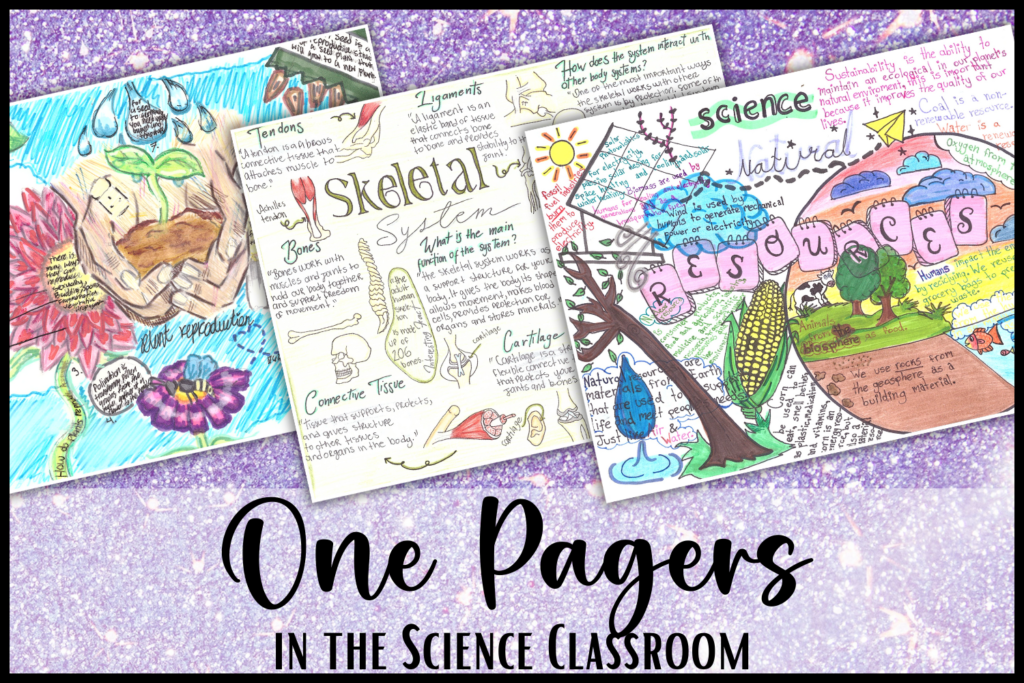
How I Use One-Pagers to Check for Real Understanding

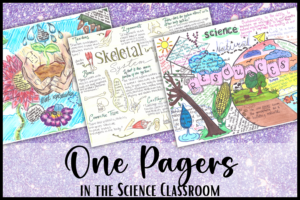
One of the biggest challenges in teaching science isn’t delivering content—it’s knowing whether students truly understand it. Quizzes and worksheets can show who memorized definitions or followed steps, but they don’t always reveal who can explain ideas, make connections, or apply concepts in new situations. That’s why one-pagers have become one of my most reliable tools for checking real understanding in science. What Is a One-Pager? A one-pager is a single page where students demonstrate

Read More

Join the Science Effect Community

Get practical science teaching strategies, classroom tips, and free, ready-to-use resources—created for middle school science teachers—sent right to your inbox!
Sign up today and get a free Lab Day Checklist to save time, reduce chaos, and keep students focused.