
WebsiteHeader

Favorites

A stunning aerial view of the Grand Canyon showcasing its majestic cliffs, layers, and sunlight.

My Favorite Earth Science Activities for Middle School

Earth Science has always been one of my favorite subjects to teach because it’s all around us. Students may not realize it at first, but they’re surrounded by examples of weathering, erosion, plate tectonics, weather, and astronomy every single day. The challenge isn’t finding interesting topics—it’s helping students make meaningful
Read More

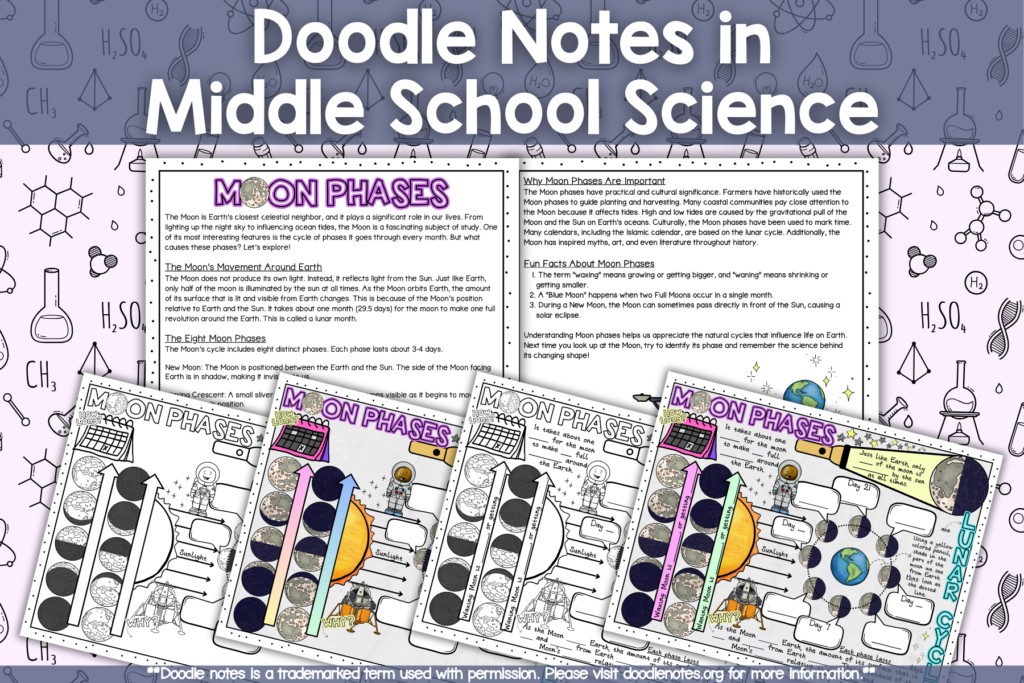
Why Doodle Notes Support More Than Just Struggling Students

Doodle notes tend to get categorized as a “support strategy.”And by support strategy, people usually mean for struggling students only. But that assumption misses the point entirely. Doodle notes don’t exist to lower expectations. They exist to make thinking visible—and that benefits far more than one group of learners. Used

Read More

The Power of Visual Learning in Science Class

Science is visual by nature. Models, diagrams, graphs, processes, systems—so much of what students are expected to understand can’t be grasped through text alone. And yet, many science lessons still rely heavily on reading, listening, and copying notes. When students struggle, it’s often not because the content is too hard.

Read More

The Science Teacher Burnout Cycle—and How to Break It

Science teacher burnout doesn’t usually happen all at once. It builds slowly—often in predictable stages—until teaching starts to feel exhausting instead of energizing. Many science teachers don’t burn out because they don’t care. They burn out because they care deeply, take on too much, and try to do everything at

Read More

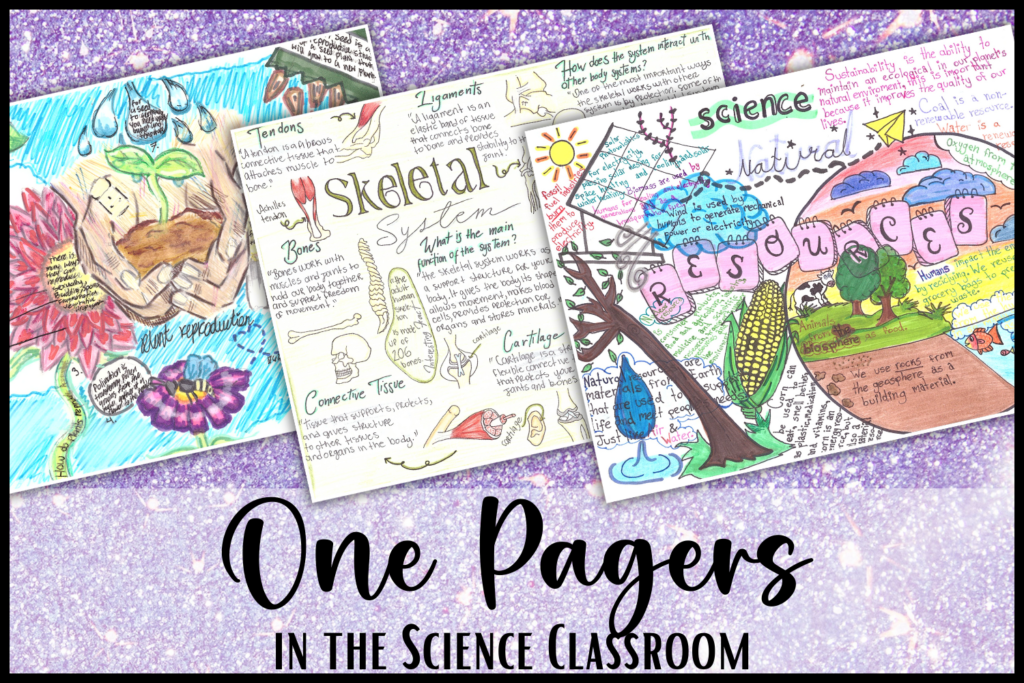
How I Use One-Pagers to Check for Real Understanding

One of the biggest challenges in teaching science isn’t delivering content—it’s knowing whether students truly understand it. Quizzes and worksheets can show who memorized definitions or followed steps, but they don’t always reveal who can explain ideas, make connections, or apply concepts in new situations. That’s why one-pagers have become

Read More
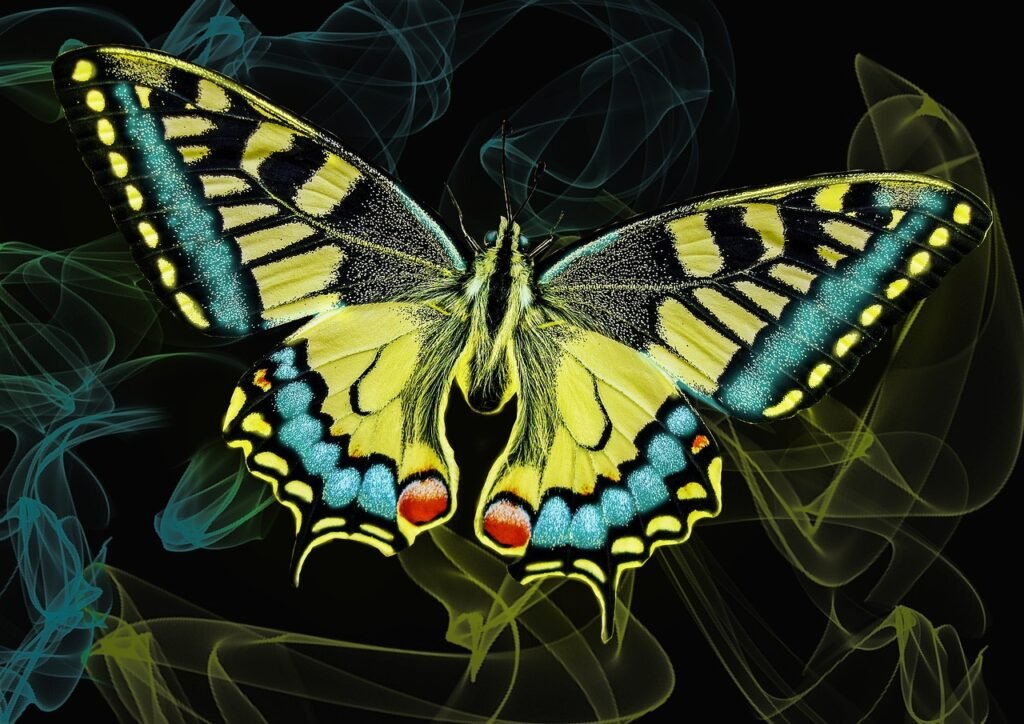
butterfly, neon, glow, light, glowing, effect, black, blue, yellow

The Butterfly Effect in the Science Classroom: Why Tiny Tweaks Matter

In chaos theory, the butterfly effect describes how a small change—like a butterfly flapping its wings—can lead to much larger outcomes over time. While this idea comes from science, it applies beautifully to teaching science as well. In the classroom, tiny instructional shifts can create powerful ripples: a hesitant student

Read More

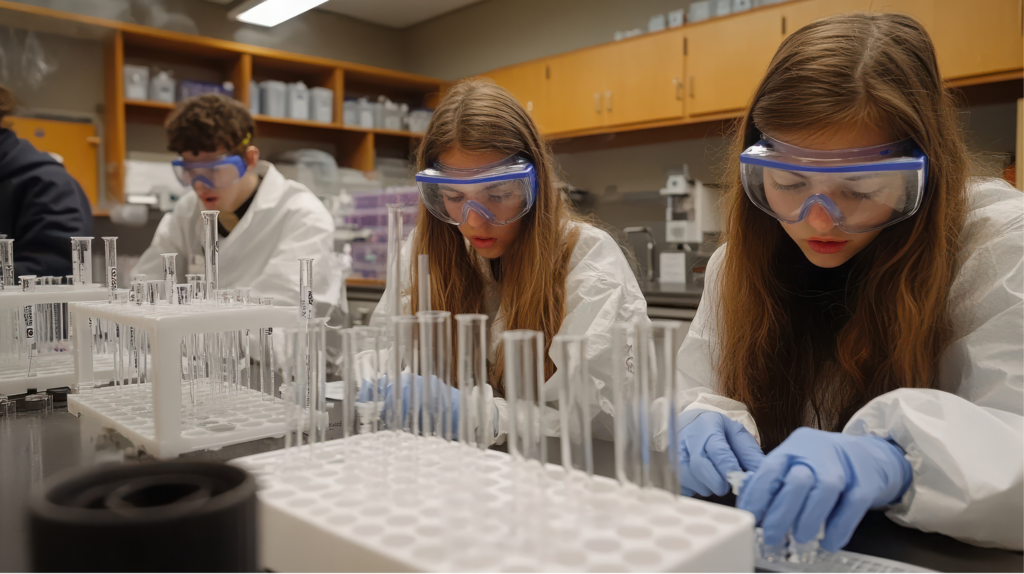
How to Handle Lab Days Without Losing Your Mind

Lab days are often the moments we imagine when we think about teaching science—hands-on learning, curiosity, and discovery. In reality, they can also feel overwhelming. Materials end up everywhere, questions come nonstop, some groups rush ahead while others stall, and you’re trying to manage safety, learning, and behavior all at

Read More