
Earth Science has always been one of my favorite subjects to teach because it’s all around us. Students may not realize it at first, but they’re surrounded by examples of weathering, erosion, plate tectonics, weather, and astronomy every single day. The challenge isn’t finding interesting topics—it’s helping students make meaningful connections between what they’re learning in class and the world they experience outside of school.
Over the years, I’ve found that the activities students remember most aren’t necessarily the most elaborate. They’re the ones that encourage students to observe, investigate, discuss, and make sense of Earth’s processes. Here are a few of my favorite Earth Science activities that consistently keep middle school students engaged.
Compare Real-World Phenomena
I love beginning a new unit with real photographs instead of definitions.
Whether we’re studying volcanoes, glaciers, weathering, or earthquakes, I start by showing students images and asking simple questions:
- What do you notice?
- What do you think happened here?
- What evidence supports your thinking?
These conversations naturally lead students into scientific thinking before they’ve learned any vocabulary. Instead of memorizing terms first, students begin by observing patterns and asking questions—the same way scientists do.
Use Models to Explain Earth’s Processes
 Many Earth Science concepts happen over thousands or even millions of years, making them difficult for students to visualize.
That’s why I frequently use diagrams, models, and visual representations throughout my lessons. Whether we’re exploring erosion, plate boundaries, or Earth’s layers, students benefit from seeing how each part connects to the bigger picture.
I’ve found that students understand these concepts much more quickly when they can visualize what’s happening beneath Earth’s surface instead of trying to imagine it from a textbook description.
Let Students Analyze Evidence
One of my favorite activities is giving students evidence and asking them to figure out what happened.
For example, students might examine photographs of rock layers, fossils, landforms, or maps showing tectonic plate movement. Rather than immediately explaining the answer, I ask students to use the evidence to develop their own explanations.
This simple shift encourages students to think like geologists instead of simply memorizing facts.
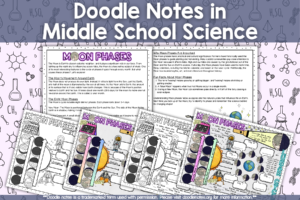
Bring Science to Life with Visual Notes
Earth Science is filled with vocabulary and processes that can easily overwhelm students.
Using visual note-taking strategies helps break those complex ideas into manageable pieces. Diagrams, color coding, and guided illustrations help students organize information while making it much easier to review later.
I’ve noticed that students are far more likely to revisit colorful, organized notes than pages of copied definitions.
Make Learning Interactive
Some of the most memorable Earth Science lessons involve students doing something instead of simply listening.
Throughout the year, I try to include activities that encourage students to manipulate information, solve problems, and work together. Some of my classroom favorites include:
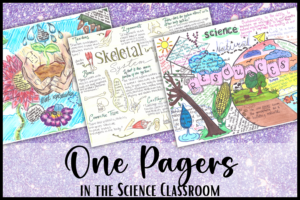
- Creating one-pagers to summarize a topic
- Building interactive notebook pages
- Completing sorting activities
- Analyzing maps and diagrams
- Participating in review games before assessments
Students remain engaged because they’re actively working with the content instead of passively receiving information.
Connect Concepts to Everyday Life
One of the easiest ways to increase engagement is by helping students realize they experience Earth Science every day.
When discussing weathering, we talk about cracked sidewalks and potholes. During our erosion unit, students think about beaches, rivers, and construction sites they’ve seen. When learning about weather, we discuss hurricanes, snowstorms, and heat waves that have affected our own community.
The more students recognize these connections, the more meaningful the content becomes.
Encourage Students to Explain Their Thinking
I’ve learned that some of the best learning happens during classroom discussions.
Rather than asking questions that have one correct answer, I often ask students to explain why they think something happened or what evidence supports their ideas. These conversations encourage students to use scientific vocabulary while strengthening their reasoning skills.
Even when students don’t have the perfect answer, explaining their thinking helps reveal misconceptions that we can address together.
Review in Creative Ways
Review doesn’t have to mean completing another worksheet.
Some of my favorite Earth Science review activities include one-pagers, color-by-number reviews, word searches, collaborative games, and interactive notebook scavenger hunts. These activities encourage students to revisit important concepts while keeping review sessions engaging and low stress.
When students are actively participating, they’re much more likely to retain what they’ve learned.
Final Thoughts
Earth Science offers endless opportunities to spark curiosity because students can see its concepts happening all around them. Whether they’re observing local weather, examining rocks on the playground, or watching a news report about a volcanic eruption, they’re constantly interacting with the topics we study in class.
By focusing on observation, investigation, visual learning, and real-world connections, Earth Science becomes much more than another unit—it becomes a way for students to better understand the planet they live on.
⭐ Related Resources You’ll Love
If you’re looking for engaging Earth Science resources that save planning time while keeping students actively involved, here are a few of my classroom favorites:
🌎 Earth Science Doodle Notes
Help students organize complex Earth Science concepts using visual, guided notes that make reviewing easier and improve retention.
🪨 Earth Science One-Pagers
Give students a creative way to demonstrate understanding while making meaningful connections between Earth’s processes.
🎯 Earth Science Color-by-Number Reviews
Make test review more engaging while giving students extra practice with important vocabulary and concepts.