
HeaderImage

Favorites

butterfly, neon, glow, light, glowing, effect, black, blue, yellow

The Butterfly Effect in the Science Classroom: Why Tiny Tweaks Matter

In chaos theory, the butterfly effect describes how a small change—like a butterfly flapping its wings—can lead to much larger outcomes over time. While this idea comes from science, it applies beautifully to teaching science as well. In the classroom, tiny instructional shifts can create powerful ripples: a hesitant student finds confidence, a disengaged class leans in, or a concept that once felt overwhelming suddenly clicks. You don’t always need a total curriculum overhaul to

Read More

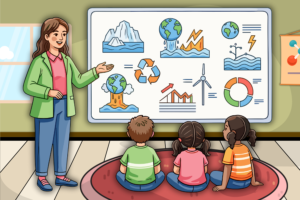
The Power of Visual Learning in Science Class

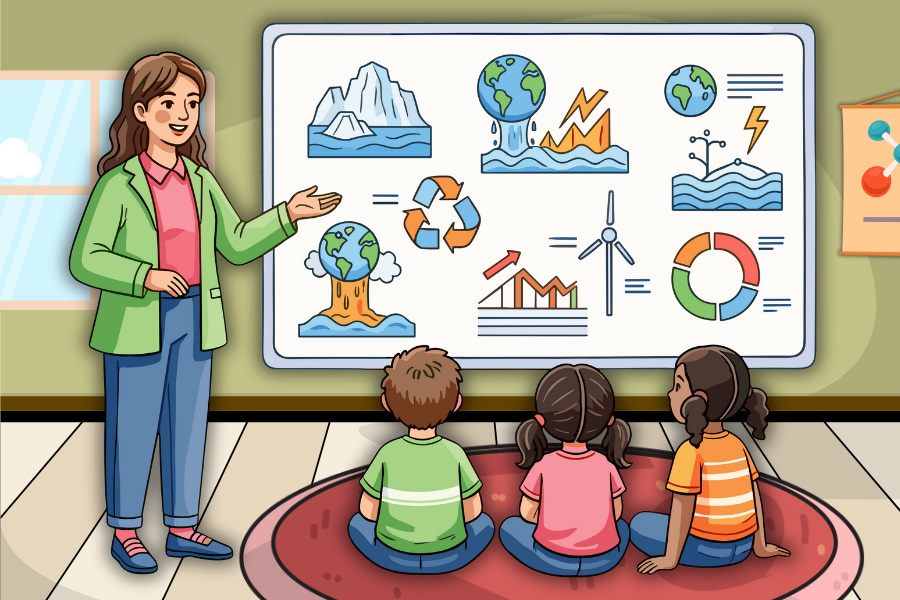
Science is visual by nature. Models, diagrams, graphs, processes, systems—so much of what students are expected to understand can’t be grasped through text alone. And yet, many science lessons still rely heavily on reading, listening, and copying notes. When students struggle, it’s often not because the content is too hard. It’s because they can’t see how ideas fit together. Visual learning changes that. Why Visual Learning Matters in Middle School Science Middle school students are

Read More

The Science Teacher Burnout Cycle—and How to Break It

Science teacher burnout doesn’t usually happen all at once. It builds slowly—often in predictable stages—until teaching starts to feel exhausting instead of energizing. Many science teachers don’t burn out because they don’t care. They burn out because they care deeply, take on too much, and try to do everything at full capacity all the time. Understanding the burnout cycle is the first step toward breaking it. The Science Teacher Burnout Cycle Burnout in middle school

Read More
school, bored, girl, education, knowledge, unfocused, overload, teenager, board, students, problems, concentration, student, study, learn, think, chalkboard, problem, studying, blackboard, thinking, blue school, blue education, blue learning, blue thinking, blue study, blue studying, blue blackboard, blue think, blue knowledge, blue board, bored, bored, bored, bored, bored, unfocused, students, student

What To Do When Half the Class Finishes Early….and the Other Half Isn’t Close.

Every science teacher knows this moment. Half the class is done, a few students are staring at the ceiling, someone asks, “What do we do now?”, and meanwhile the other half of the class is still trying to figure out step one. This situation isn’t a classroom management failure. It’s a pacing problem, and it happens even in well-planned lessons. Students move through tasks at different speeds for many reasons, including reading stamina, background knowledge,

Read More

How I Use One-Pagers to Check for Real Understanding

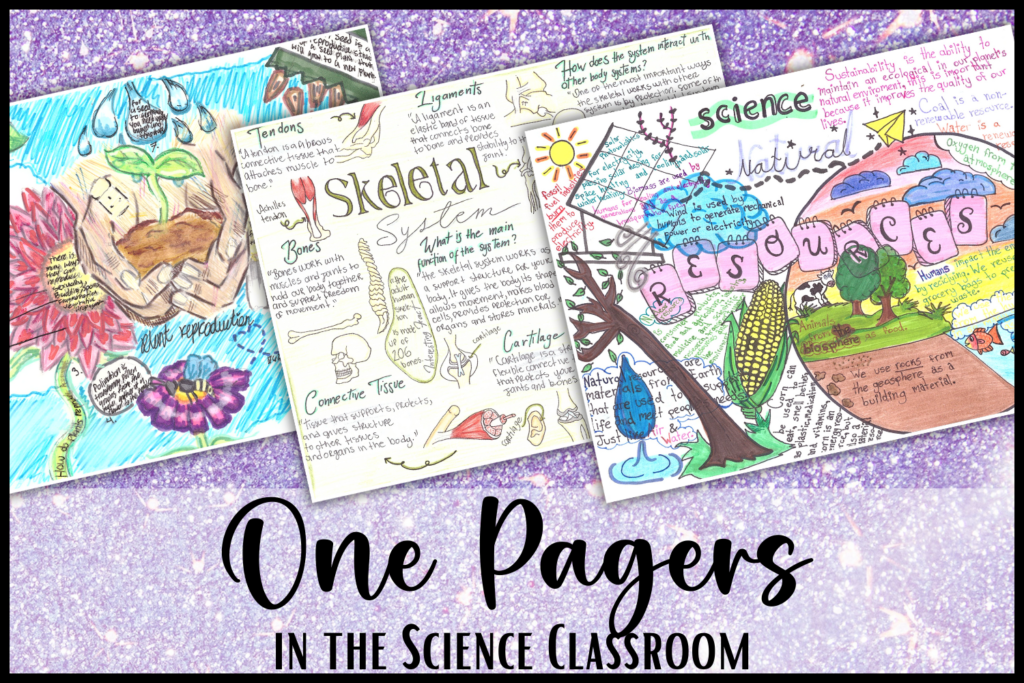
One of the biggest challenges in teaching science isn’t delivering content—it’s knowing whether students truly understand it. Quizzes and worksheets can show who memorized definitions or followed steps, but they don’t always reveal who can explain ideas, make connections, or apply concepts in new situations. That’s why one-pagers have become one of my most reliable tools for checking real understanding in science. What Is a One-Pager? A one-pager is a single page where students demonstrate

Read More

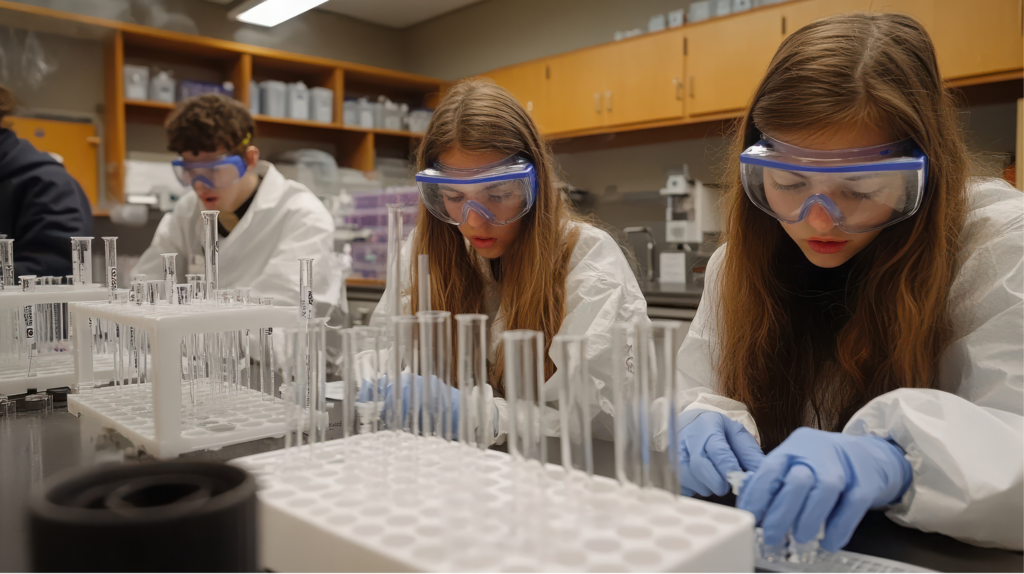
How to Handle Lab Days Without Losing Your Mind

Lab days are often the moments we imagine when we think about teaching science—hands-on learning, curiosity, and discovery. In reality, they can also feel overwhelming. Materials end up everywhere, questions come nonstop, some groups rush ahead while others stall, and you’re trying to manage safety, learning, and behavior all at once. It’s a lot. The good news is that lab days don’t need to feel chaotic to be effective. With a few intentional shifts, they

Read More

Join the Science Effect Community

Get practical science teaching strategies, classroom tips, and free, ready-to-use resources—created for middle school science teachers—sent right to your inbox!
Sign up today and get a free Lab Day Checklist to save time, reduce chaos, and keep students focused.