
HeaderImage

Instructional Strategies

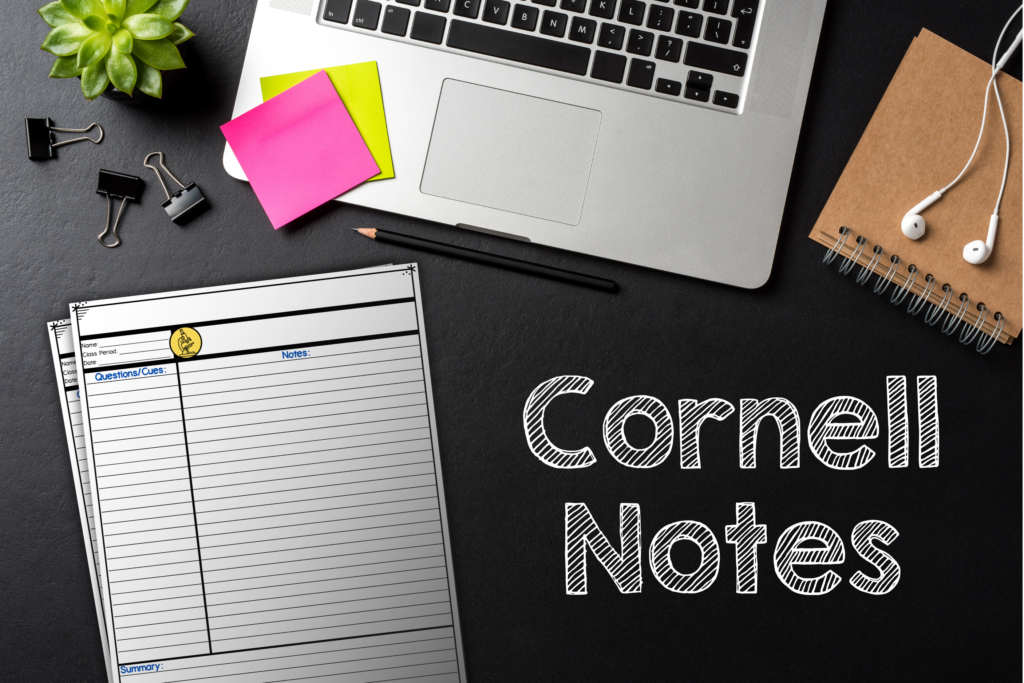
Why Cornell Notes Still Work in Middle School Science

Cornell notes have been around for decades, yet they often get labeled as outdated, boring, or too rigid for today’s classrooms—especially in middle school science. But despite new tools, flashy strategies, and digital alternatives, Cornell notes continue to work. Not because they’re trendy—but because they support how middle school students actually learn science. When used intentionally, Cornell notes don’t limit thinking. They organize it. Structure Is Exactly What Middle Schoolers Need Middle school students are

Read More

How to Make Review Days Meaningful (Not Just Loud)

Review days in science class often come with a familiar mix of hope and hesitation. We want students engaged and energized—but too often, review turns into noise without learning. Games are played. Voices are raised. Answers are shouted.And afterward, it’s hard to tell what students actually understood. Meaningful review doesn’t have to be quiet—but it does need to be intentional. With the right structure, review days can strengthen understanding instead of just filling time. Why

Read More

Using Color-By-Number Activities Without Sacrificing Rigor

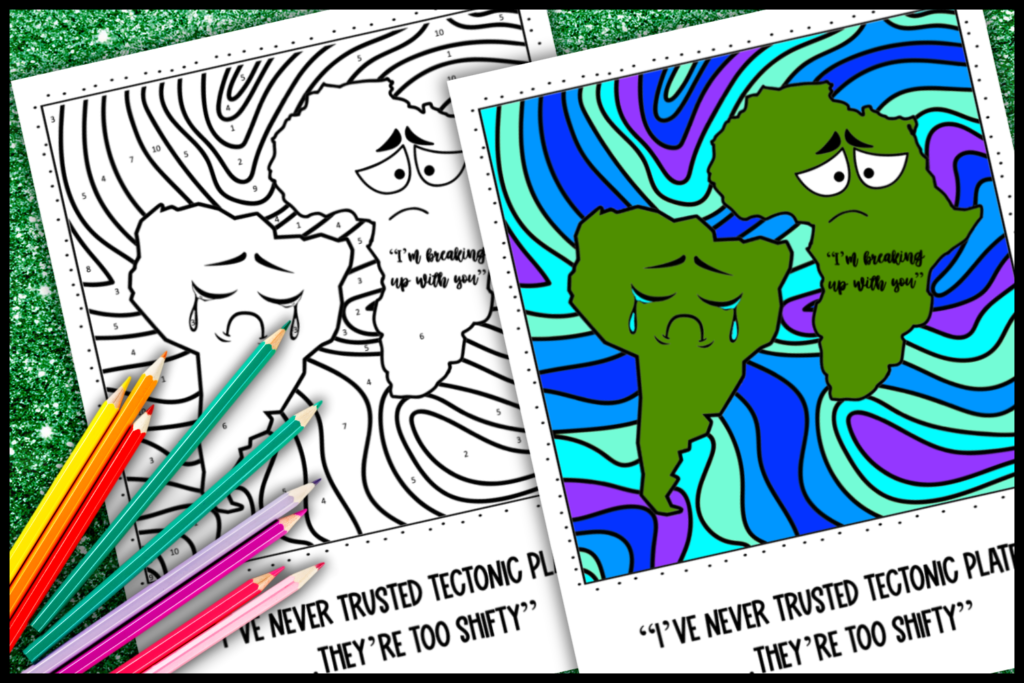
Color-by-number activities sometimes get a bad reputation in upper-grade classrooms. They’re often dismissed as “fluff,” busywork, or something to use only when students are exhausted and you need quiet. But when used intentionally, color-by-number activities can be rigorous, revealing, and incredibly effective—especially in science. The key isn’t the coloring. It’s the thinking that happens before the color ever touches the page. Why Color-By-Number Gets a Bad Reputation Most criticism of color-by-number activities comes from how

Read More

How I Differentiate Science Without Creating 5 Different Lessons

Differentiation is one of those words that sounds reasonable in theory and completely unhinged in practice. Differentiate for reading levels.Differentiate for learning styles.Differentiate for IEPs, 504s, ELLs, early finishers, and students who are still figuring out which notebook is theirs. Somehow, this gets translated into: “Just make five versions of everything.” No thank you. Differentiation in science does not mean teaching five different lessons at once. It means designing one strong lesson that works for

Read More

The Power of Visual Learning in Science Class

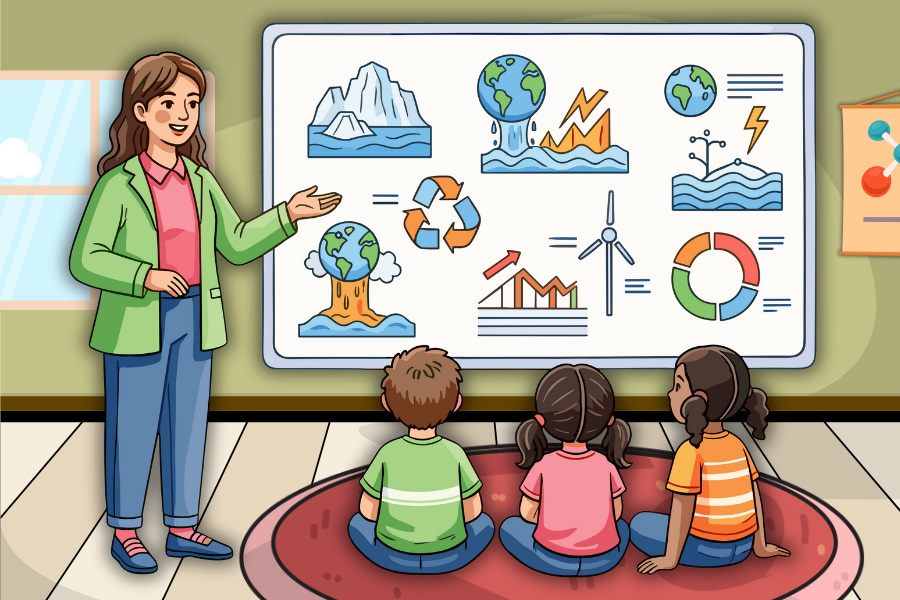
Science is visual by nature. Models, diagrams, graphs, processes, systems—so much of what students are expected to understand can’t be grasped through text alone. And yet, many science lessons still rely heavily on reading, listening, and copying notes. When students struggle, it’s often not because the content is too hard. It’s because they can’t see how ideas fit together. Visual learning changes that. Why Visual Learning Matters in Middle School Science Middle school students are

Read More

My Go-To Lesson Structure for Any Science Topic

After years of teaching science, I’ve learned this the hard way: it’s not the topic that makes a lesson work—it’s the structure. When lessons fall apart, it’s rarely because the content is bad. It’s because the flow is unclear, transitions eat up time, or students don’t know what they’re supposed to be doing (or why). Once I stopped reinventing lessons and started relying on a consistent structure, everything changed. Planning got easier. Classroom management improved.

Read More

Small Accommodations That Make a Big Difference in Middle School Science

When people hear the word accommodations, they often picture major lesson changes, separate materials, or completely different expectations. In reality, some of the most effective accommodations in science are small, quiet, and built right into everyday instruction. They don’t change what students learn. They change how accessible the learning is. And yes—many of them help far more students than the ones they were originally designed for. The Problem Isn’t Rigor—It’s Overload Science asks students to

Read More

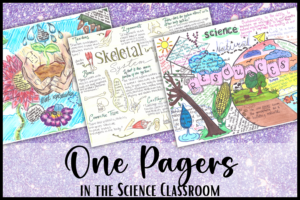
How I Use One-Pagers to Check for Real Understanding

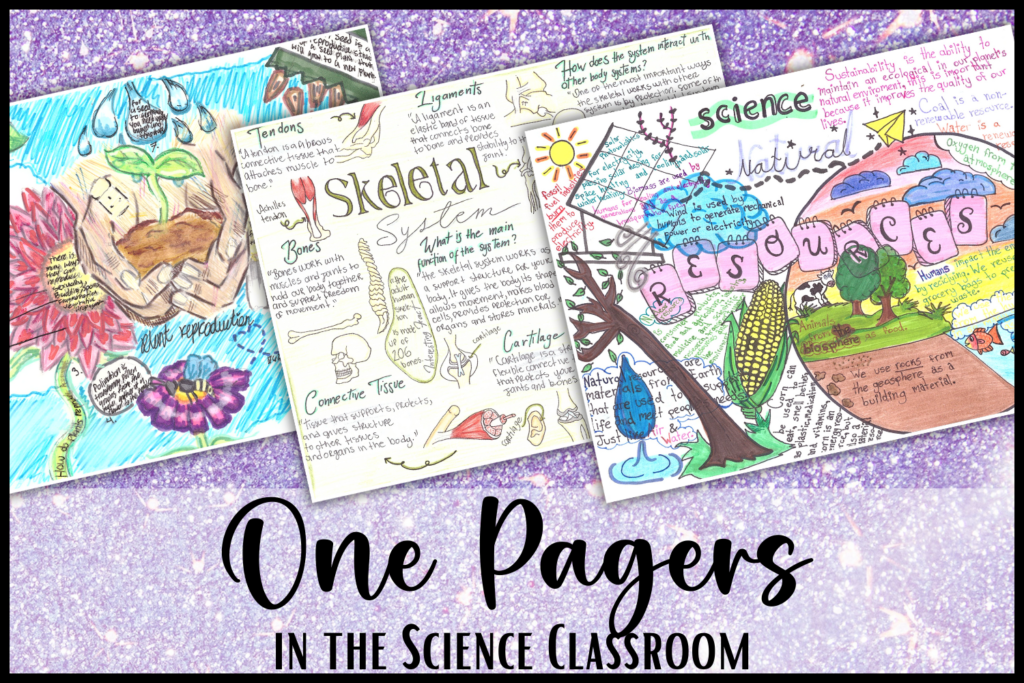
One of the biggest challenges in teaching science isn’t delivering content—it’s knowing whether students truly understand it. Quizzes and worksheets can show who memorized definitions or followed steps, but they don’t always reveal who can explain ideas, make connections, or apply concepts in new situations. That’s why one-pagers have become one of my most reliable tools for checking real understanding in science. What Is a One-Pager? A one-pager is a single page where students demonstrate

Read More

What Middle Schoolers with Learning Disabilities Need in Science Class

Teaching science to middle schoolers with learning disabilities isn’t about lowering expectations or simplifying content until it loses meaning. It’s about designing instruction that actually lets students access the thinking. And no—what they need isn’t a completely separate curriculum or five different lessons running at once. What they need is clarity, structure, and intentional support built into everyday instruction. The Problem Isn’t Ability—It’s Access Many students with learning disabilities are fully capable of understanding science

Read More

Join the Science Effect Community

Get practical science teaching strategies, classroom tips, and free, ready-to-use resources—created for middle school science teachers—sent right to your inbox!
Sign up today and get a free Lab Day Checklist to save time, reduce chaos, and keep students focused.