Description
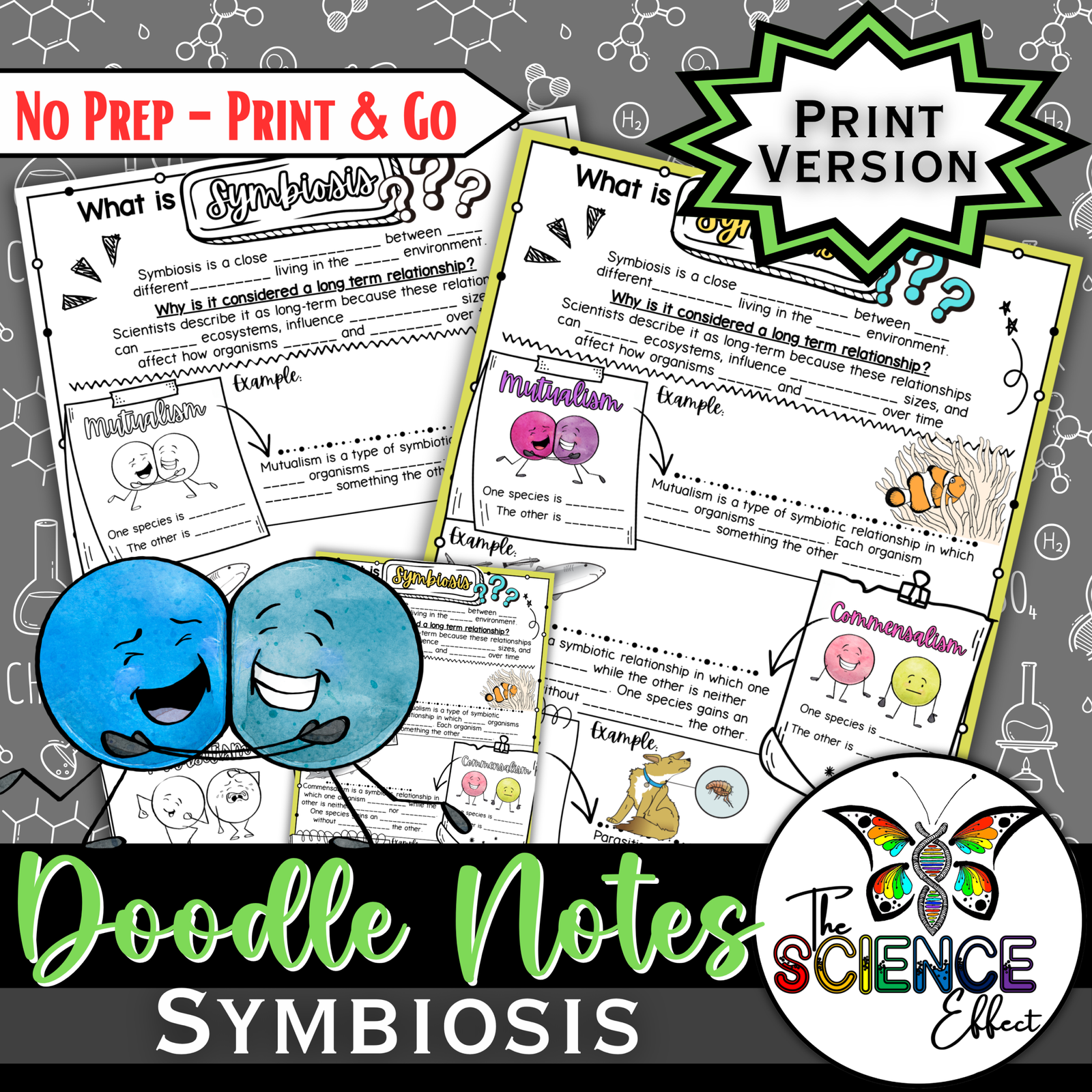
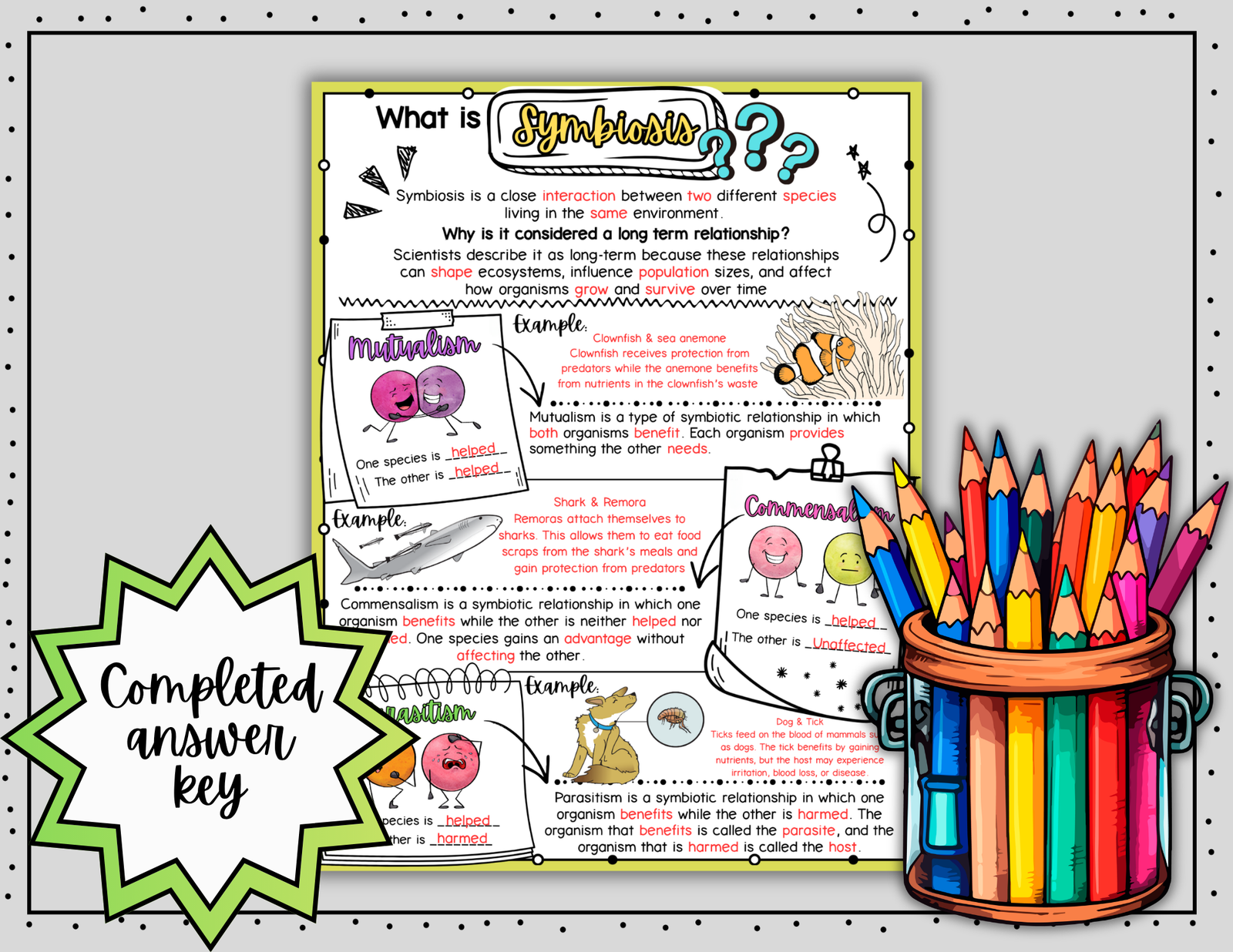
Make learning about symbiosis clear, visual, and engaging with these Symbiosis Doodle Notes! This resource helps middle school students understand the three main types of symbiotic relationships—mutualism, commensalism, and parasitism—using structured visuals and student-friendly explanations.
Perfect for life science units on ecosystems and interactions, these doodle notes support comprehension, retention, and academic vocabulary development while keeping students actively involved.
What are doodle notes??
Doodle notes are a visual note-taking strategy that will increase student engagement, focus, creativity and concept retention. Recent studies have found that doodling or taking visual notes while studying science material can help enhance learning, engagement, and reasoning. Teaching students to use doodling in class will help them remember more, focus on the topics at hand and generally enjoy the lessons more.
Lead your class through the worksheet with the included reading and powerpoint, or assign independently and review when they are finished. This assignment would also make great sub plans!
Your students will be completely engaged with this doodling activity!
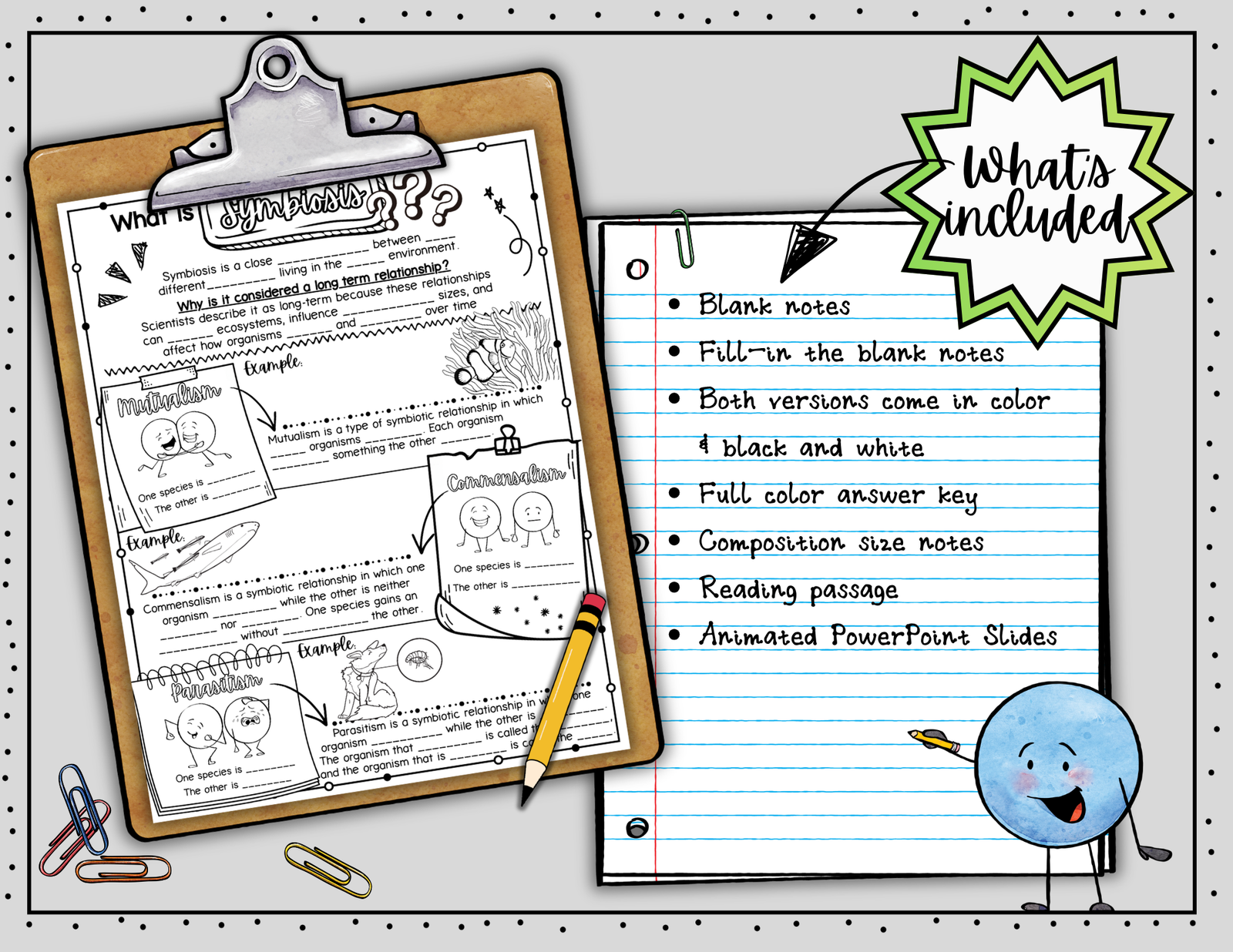
Whats included??
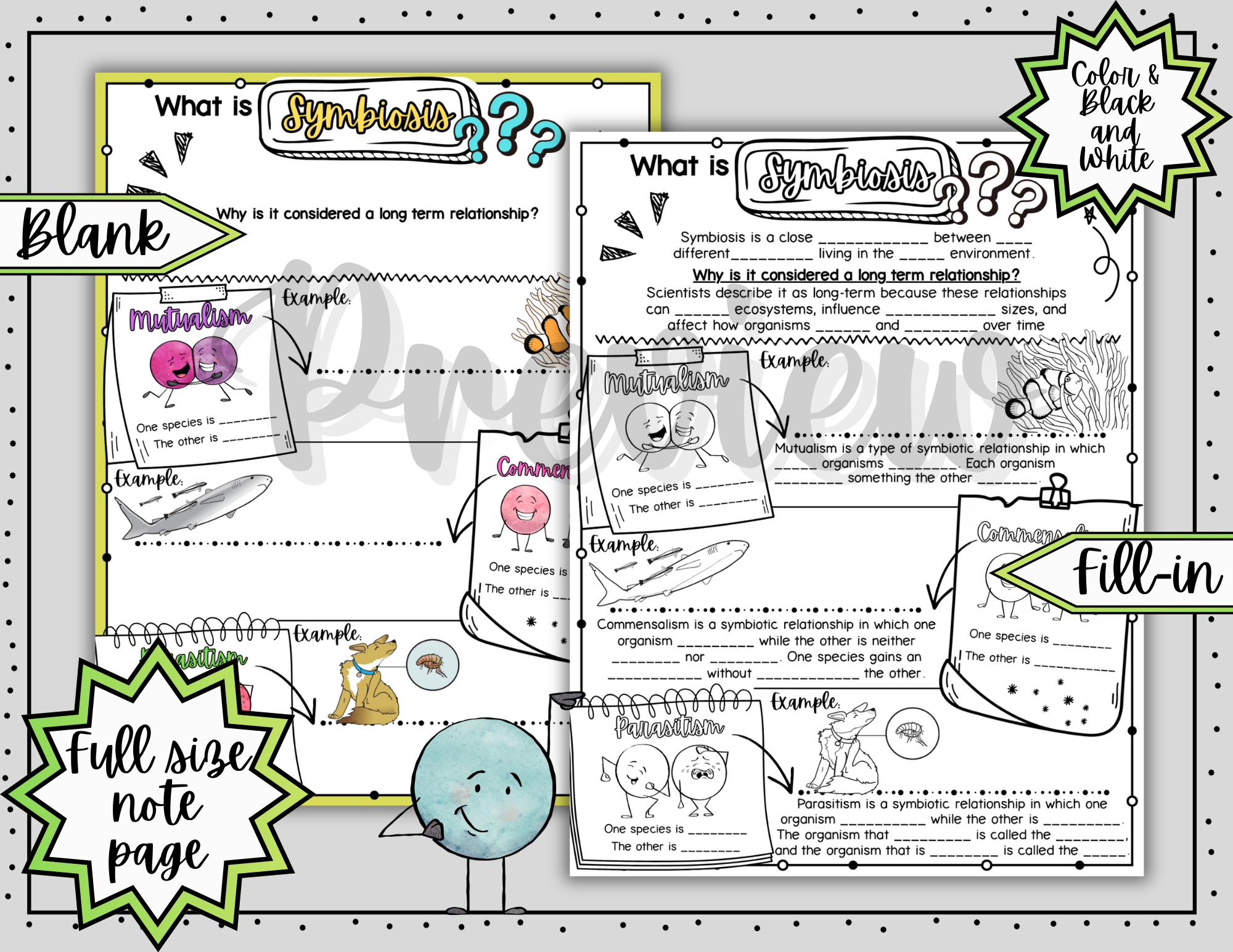
- Full size note pages, fill-in version and blank in both black and white and color (8.5″x 11″) PDF.
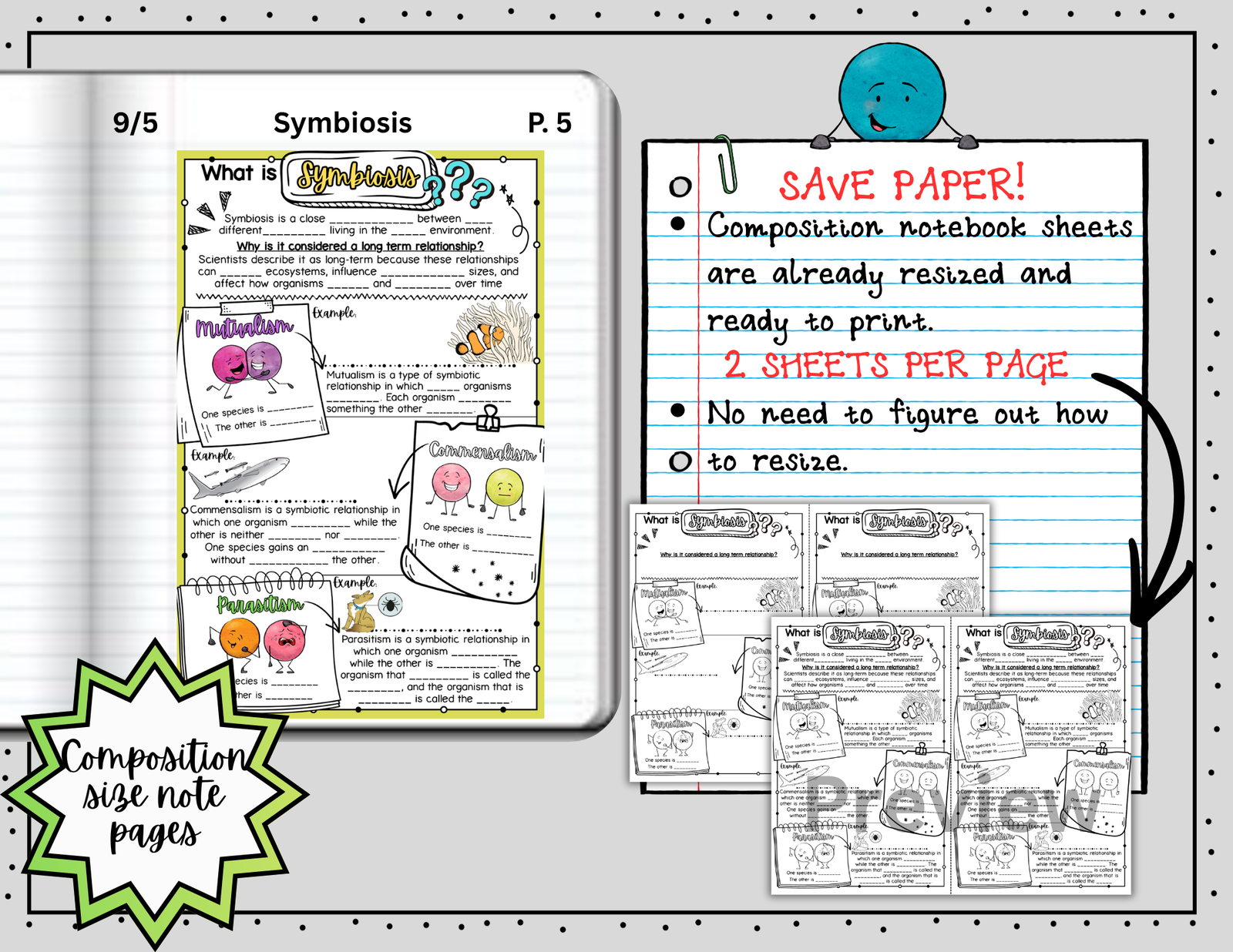
- Composition size note page for interactive notebooks, fill-in version and blank in both black and white and color (5.5″x 8.5″) PDF.
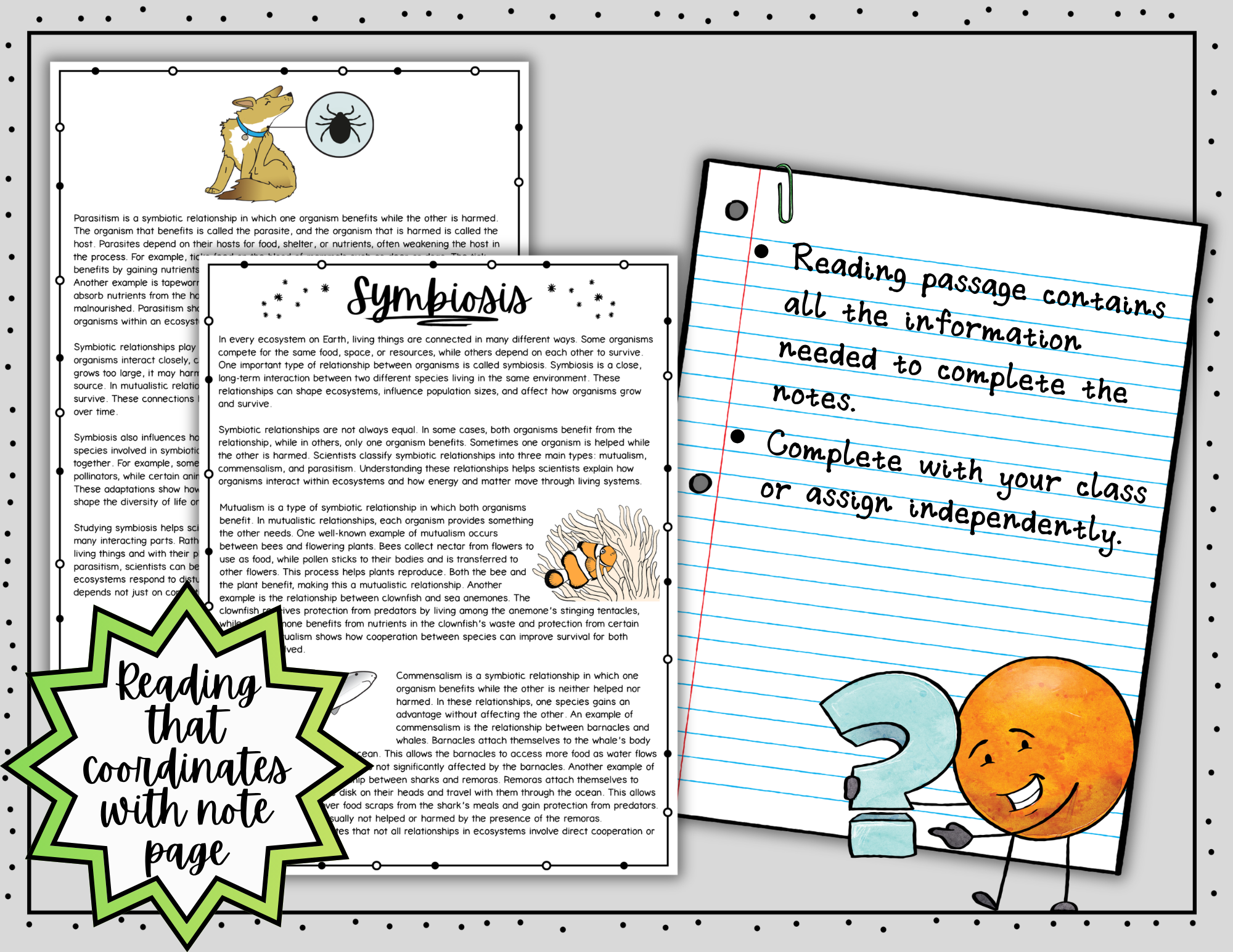
- Reading that coordinates with note pages PDF.
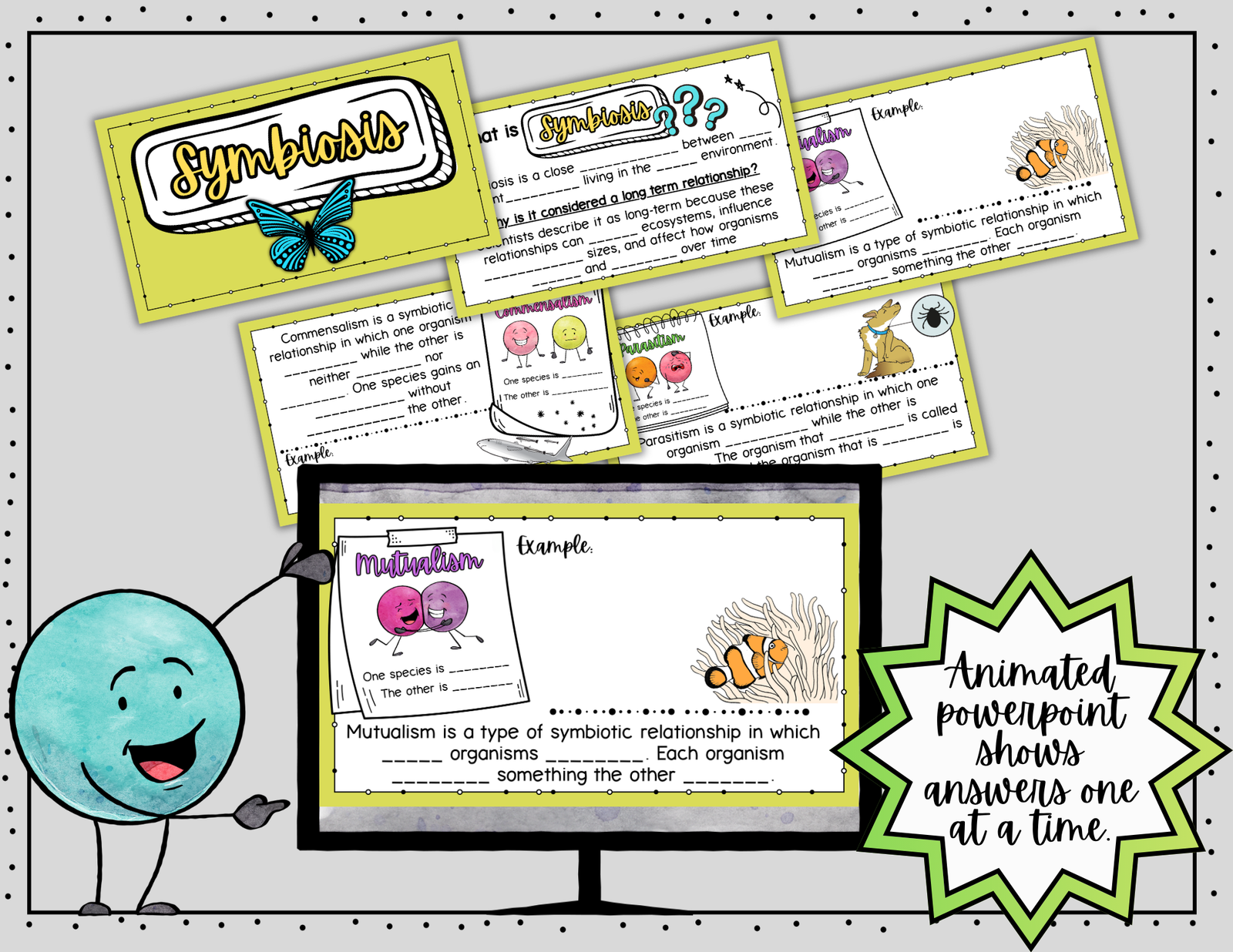
- Teaching slides that coordinate with note page. Teaching slides are animated, so the answers will be revealed one at a time when you advance the presentation. PDF & PPT
- Answer key in color PDF.
Doodle notes is a trademarked term used with permission. Please visit doodlenotes.org for more information.
Intended for classroom and personal use ONLY.
Copyright © Christina’s Creatives, LLC.
This product is to be used by the original downloader only. Copying for more than one teacher, classroom, department, school, or school system is prohibited. Failure to comply is a copyright infringement and a violation of the Digital Millennium Copyright Act (DMCA).